
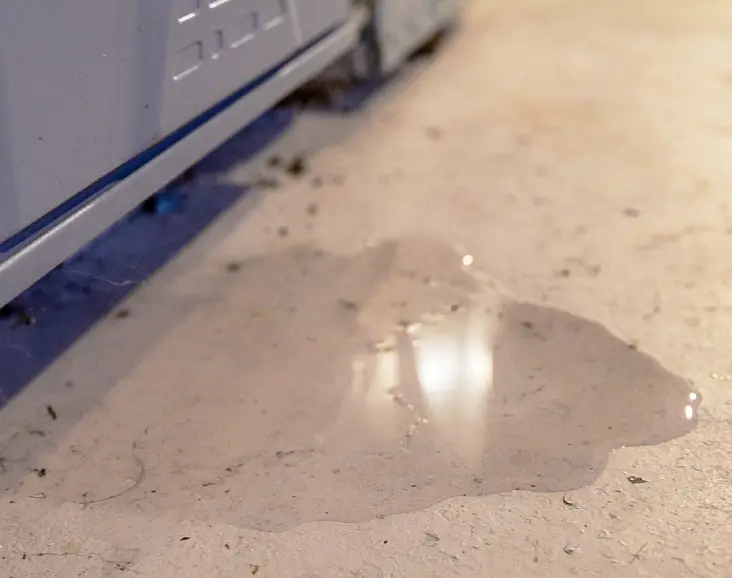
When your air conditioner starts leaking water or struggling to keep your space cool, it’s tempting to turn down the thermostat and hope the issue goes away. Unfortunately, small cooling problems almost never fix themselves. Ignoring them usually turns a simple adjustment into a complete system breakdown right when you need cooling the most.
The good news is that air conditioners usually give off clear warning signs long before they shut down completely. Understanding these signs helps you fix minor issues early, save on energy costs, and avoid the headache of an unexpected breakdown.
4 Signs Your AC Needs Immediate Attention
1. The System Is Abnormally Loud
What it means:
A noisy unit often points to elevated static pressure inside your ductwork or mechanical strain on the blower motor.
Common causes:
Dirty air filters, blocked supply vents, or loose internal components.
What you can do:
Check your air filter and make sure all supply vents are fully open and clear of furniture. If the rattling, grinding, or squealing continues after replacing the filter, turn the system off and have a professional check the motor and fan assembly.
2. The Thermostat Won't Reach the Set Temperature
What it means:
Your system is running continuously without cooling effectively, which places severe wear on internal components.
Common causes:
Low refrigerant levels from a small leak, dirty evaporator coils, or an aging compressor.
What you can do:
Verify that your thermostat is set correctly to "Cool" and "Auto." If the temperature keeps rising despite the unit running nonstop, turn it off. Continuous operation with low refrigerant can burn out the compressor, turning a minor leak into an expensive replacement.
3. The Outdoor Unit Runs, But the House Isn't Cooling
What it means:
The outdoor fan is spinning, but the actual refrigeration process isn't taking place.
Common causes:
A failed capacitor, a faulty compressor, or significant refrigerant loss.
What you can do:
Check to see if the air coming out of the top of the outdoor unit is warm. If the fan is blowing cool air or making a humming noise without the compressor kicking on, the run capacitor has likely failed. Shut the system down to prevent compressor damage until a technician can replace the component.
4. The Outdoor Unit Doesn't Turn On At All
What it means:
The unit has lost electrical power or tripped a built-in safety sensor.
Common causes:
A tripped breaker, a blown low-voltage fuse, a drain line clog that triggered a safety float switch, or an open high-pressure switch.
What you can do:
Check your home's breaker panel to see if the AC circuit has tripped. Reset it once. If it trips again immediately, do not attempt to reset it a second time, as this indicates a direct electrical short that requires technical service.
What Unresolved AC Issues Cost You
Whether you manage rental properties, run a small business, or look after your own home, HVAC problems create a cascade of unnecessary stress:
Property Damage & High Costs
A clogged condensate drain line can back up quickly, causing water damage to drywall, ceilings, and flooring. Meanwhile, a struggling compressor pulls significantly more electricity, causing monthly utility bills to spike.
Frustration and Discomfort
Warm air, poor airflow on upper floors, and excessive humidity make indoor spaces unlivable or unproductive.
Uncertainty
Dealing with unexpected repairs leaves you wondering how long the fix will take, how much it will cost, and who you can trust to handle it properly.
Indoor spaces should be a refuge from the summer heat. Managing a home or business is challenging enough without having to worry about whether your air conditioner will make it through the week.
How On-Demand Service Resolves the Issue Fast
When cooling issues arise, getting your system back on track doesn't need to be complicated or stressful.
Step 1: Request a Visit
Call directly or book an appointment online. You can select a time window that works around your schedule.
Step 2: Accurate Diagnostics
A licensed technician conducts a thorough system assessment to identify the root cause - whether it’s a failed capacitor, a clogged drain line, or a refrigerant restriction - and explains the issue clearly before any work begins.
Step 3: Upfront Repair
Once you approve the repair plan, the work is completed on the spot using high-grade replacement parts, restoring your system to peak operating efficiency.
Frequently Asked Questions
How fast can a technician arrive for an on-demand call?
Same-day service appointments are generally available for urgent cooling issues, severe water leaks, and complete system shutdowns.
How much does an AC diagnostic visit cost?
Diagnostic evaluations start at a standard flat rate of $169. This covers a complete physical and electrical inspection of your system, along with a written summary of the exact repair needed before any additional work takes place.
What is included in the diagnostic process?
Rather than taking educated guesses, certified technicians perform full-system testing including refrigerant pressure checks, electrical draw measurements, airflow assessments, and safety switch testing to pinpoint the exact cause of failure.
Are the technicians licensed and insured?
Yes. All technicians are fully licensed, insured, background-checked, and regularly trained on modern residential and commercial cooling equipment.
Ready to Restore Proper Cooling?
Small AC issues tend to get more complicated and expensive the longer they operate without attention. Catching leaks, weak airflow, and electrical faults early protects your equipment and keeps your space comfortable.
If your air conditioner is showing signs of trouble, contact our team today to schedule an expert diagnostic visit and get your system running smoothly again.